Have a 4year old Wether who developed a limp. He had slightly overgrown hooves (I trimmed them) but he’s still limping quite badly and has red knobby growths between his toes on the top of the hoof that I think might be causing the limp. We are in the PNW and are still pretty wet after a very muddy spring and early summer. He’s my moms pet, but part of a herd managed by my aunt in law (complicated situation) so they won’t take him to a vet (if we could even find one who will treat livestock) we are in Canada, and there’s a shortage of large animal vets in the area. Thanks

Navigation
Install the app
How to install the app on iOS
Follow along with the video below to see how to install our site as a web app on your home screen.
Note: This feature may not be available in some browsers.
More options
You are using an out of date browser. It may not display this or other websites correctly.
You should upgrade or use an alternative browser.
You should upgrade or use an alternative browser.
Sheep hoof issues
- Thread starter Kris5902
- Start date

BrahmerQueen
Loving the herd life
Hi sorry about your wether. Can you post pics? Sorry I don't know that much so I hope someone else that knows more will reply.Have a 4year old Wether who developed a limp. He had slightly overgrown hooves (I trimmed them) but he’s still limping quite badly and has red knobby growths between his toes on the top of the hoof that I think might be causing the limp. We are in the PNW and are still pretty wet after a very muddy spring and early summer. He’s my moms pet, but part of a herd managed by my aunt in law (complicated situation) so they won’t take him to a vet (if we could even find one who will treat livestock) we are in Canada, and there’s a shortage of large animal vets in the area. Thanks

Alaskan
Herd Master
@Ridgetop ?
Can you post a photo?
Did you feel the leg and foot all over? Any warm spots or clear sore spots?
Is the hoof at all soft?
After trimming, which you already did... I would make a perfectly dry spot for him to stand and rest. Maybe just getting it to dry out will help.
Have a 4year old Wether who developed a limp. He had slightly overgrown hooves (I trimmed them) but he’s still limping quite badly and has red knobby growths between his toes on the top of the hoof that I think might be causing the limp. We are in the PNW and are still pretty wet after a very muddy spring and early summer. He’s my moms pet, but part of a herd managed by my aunt in law (complicated situation) so they won’t take him to a vet (if we could even find one who will treat livestock) we are in Canada, and there’s a shortage of large animal vets in the area. Thanks
Can you post a photo?
Did you feel the leg and foot all over? Any warm spots or clear sore spots?
Is the hoof at all soft?
After trimming, which you already did... I would make a perfectly dry spot for him to stand and rest. Maybe just getting it to dry out will help.
- Thread starter
- #4
Unfortunately he has been moved to the other side of the farm. Somehow, he managed to injure both his flanks as well, (he was in a poorly fenced field, and I think I know where he did that) or “may have been stuck between two trees or rocks” so there’s some family issues as well. I don’t have any pictures, but will try to get some when I am down there hopefully Friday. I was occupied with some other things (building out our house, so I can hopefully get a proper barn in as well by fall). I noticed the limp when walking through the pasture early June, trimmed the hooves mid June, and noticed the pink spots, asked her to tell the Aunt in law (farm manager). They walked him through a hoof bath or something the next day, and I had mostly put it out of my mind.
They noticed him yesterday (when separating some lambs for slaughter) with two large wounds on both his sides, and brought him down to treat that, then sent my mom pictures. She rushed over today to see her 187lb “baby lambie” and said the limping had gotten even worse. I didn’t see any clear indications of foot rot when I trimmed him, but they have had it in the herd every year, with several going lame every year (mutton). I was thinking interdigital dermatitis? Once I get said infrastructure built out I plan on paying them for him, and maybe getting a few dairy ewes for company. They said it’s just a “sympathy limp”. It sort of looked like a strawberry and was between his toes at the top. I didn’t notice any heat in June, but it was sore enough he wouldn’t let me lift his foot without tethering him to the fence. I will get pictures if I can Friday.
I am not thrilled with the Farms animal husbandry. Also if this can be moved to the correct forum page, it’s not so much an “emergency” (although the other wounds would be), but I couldn’t find the right spot to post. I expect the other issues will be treated, but they don’t think the limp is important (they have lost a cow and three sheep I know of to lameness like this, and don’t really bother with limps). My mom is super attached to him, so… I care about the limping.
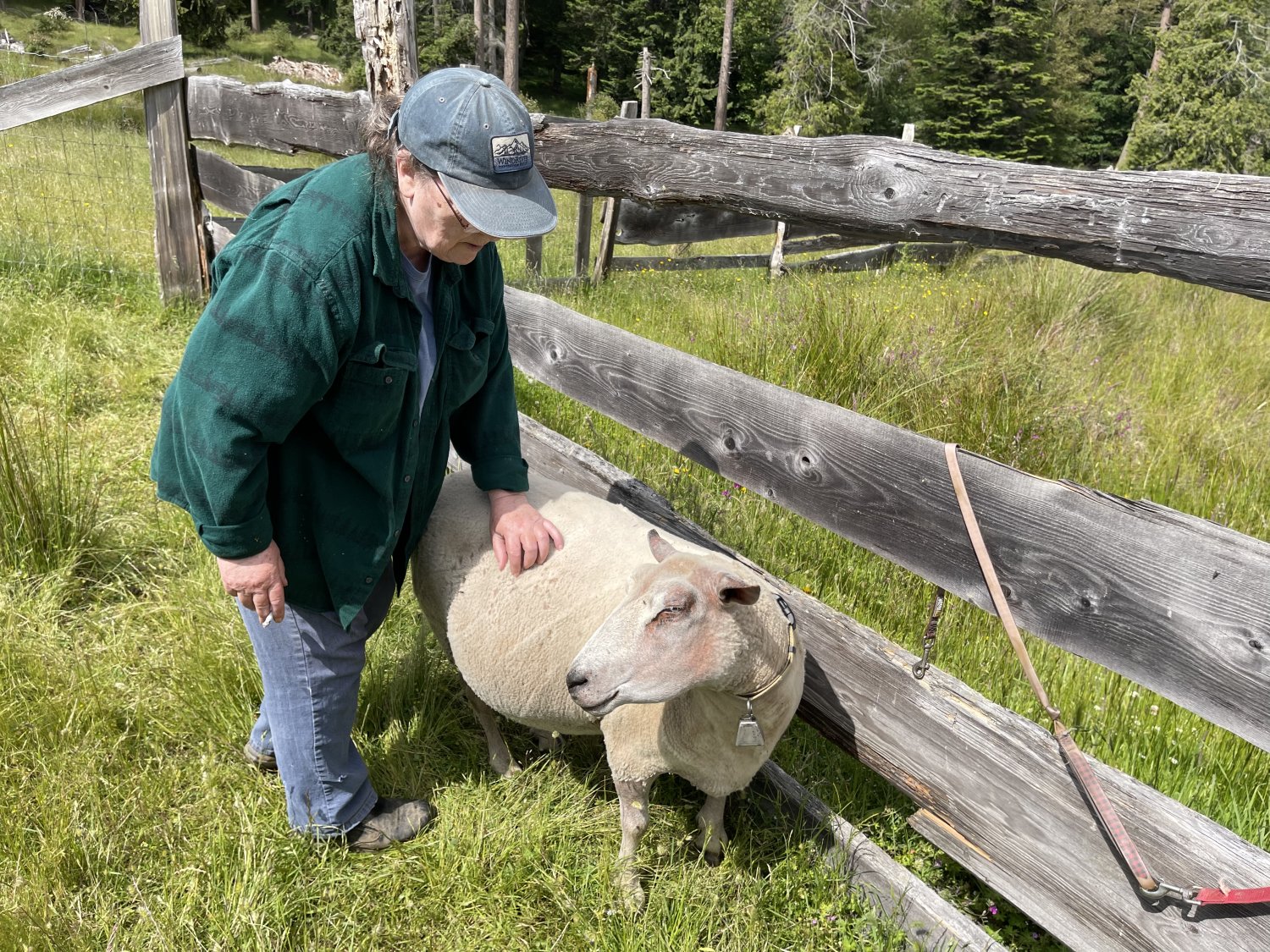
They noticed him yesterday (when separating some lambs for slaughter) with two large wounds on both his sides, and brought him down to treat that, then sent my mom pictures. She rushed over today to see her 187lb “baby lambie” and said the limping had gotten even worse. I didn’t see any clear indications of foot rot when I trimmed him, but they have had it in the herd every year, with several going lame every year (mutton). I was thinking interdigital dermatitis? Once I get said infrastructure built out I plan on paying them for him, and maybe getting a few dairy ewes for company. They said it’s just a “sympathy limp”. It sort of looked like a strawberry and was between his toes at the top. I didn’t notice any heat in June, but it was sore enough he wouldn’t let me lift his foot without tethering him to the fence. I will get pictures if I can Friday.
I am not thrilled with the Farms animal husbandry. Also if this can be moved to the correct forum page, it’s not so much an “emergency” (although the other wounds would be), but I couldn’t find the right spot to post. I expect the other issues will be treated, but they don’t think the limp is important (they have lost a cow and three sheep I know of to lameness like this, and don’t really bother with limps). My mom is super attached to him, so… I care about the limping.
- Thread starter
- #5
Alaskan
Herd Master
Well... at least in the video he is moving well enough to get to feed and water.
But clearly he needs to be brought into your care, and kept in a dry and safe paddock.
Hard to manage things with family "stuff".
I looked up and found this:
Benign Footrot
The economic effect of benign footrot is much less than that of virulent footrot. Running the sheep through footbaths containing 10% wt/vol zinc sulfate once every 14 days during the wet season is usually adequate for control. Use of long-acting antimicrobials such as tetracycline has been adopted with good results.
And then:
Traditionally, treatment consisted of footbaths using antibacterial solutions after careful hoof trimming to remove all dead horn and expose infected tissue and bacteria to air. However, foot soaking for 30–60 minutes has been shown to be more effective even when trimming is not done. In fact, some research has shown that trimming may do more damage than good. A commonly used footbath solution is 10% wt/vol zinc sulfate with 0.2% vol/vol of laundry detergent containing nonionic surfactants such as sodium lauryl sulfate. Formaldehyde at 2%–5% and copper sulfate at 5% are also frequently used with success. Although guidelines for footbaths may vary, they should be at least 6 cm deep, with sheep spending at least 10 minutes in the solution and being allowed to dry in a clean area afterward. Aerosol sprays have been used in lieu of footbaths and include zinc sulfate, tincture of iodine, tetracycline, copper sulfate, formalin, chlorine bleach, and other disinfectants. However, sprays are not as effective as footbaths or soaking.
Those quotes are from:

 www.merckvetmanual.com
But clearly he needs to be brought into your care, and kept in a dry and safe paddock.
Hard to manage things with family "stuff".
Ew!I was thinking interdigital dermatitis?
I looked up and found this:
Benign Footrot
The economic effect of benign footrot is much less than that of virulent footrot. Running the sheep through footbaths containing 10% wt/vol zinc sulfate once every 14 days during the wet season is usually adequate for control. Use of long-acting antimicrobials such as tetracycline has been adopted with good results.
And then:
Treatment of Virulent Footrot in Sheep
- Long-acting parenteral antimicrobials or soaking in a footbath
- Excessive trimming of the hoof is not recommended
Traditionally, treatment consisted of footbaths using antibacterial solutions after careful hoof trimming to remove all dead horn and expose infected tissue and bacteria to air. However, foot soaking for 30–60 minutes has been shown to be more effective even when trimming is not done. In fact, some research has shown that trimming may do more damage than good. A commonly used footbath solution is 10% wt/vol zinc sulfate with 0.2% vol/vol of laundry detergent containing nonionic surfactants such as sodium lauryl sulfate. Formaldehyde at 2%–5% and copper sulfate at 5% are also frequently used with success. Although guidelines for footbaths may vary, they should be at least 6 cm deep, with sheep spending at least 10 minutes in the solution and being allowed to dry in a clean area afterward. Aerosol sprays have been used in lieu of footbaths and include zinc sulfate, tincture of iodine, tetracycline, copper sulfate, formalin, chlorine bleach, and other disinfectants. However, sprays are not as effective as footbaths or soaking.
Those quotes are from:
Interdigital Dermatitis in Sheep - Musculoskeletal System - Merck Veterinary Manual
Learn about the veterinary topic of Interdigital Dermatitis in Sheep. Find specific details on this topic and related topics from the Merck Vet Manual.
www.merckvetmanual.com
- Thread starter
- #7
Thanks, I will still try to follow up with some photos if I can get them of his feet.Well... at least in the video he is moving well enough to get to feed and water.
But clearly he needs to be brought into your care, and kept in a dry and safe paddock.
Hard to manage things with family "stuff".
Ew!
I looked up and found this:
Benign Footrot
The economic effect of benign footrot is much less than that of virulent footrot. Running the sheep through footbaths containing 10% wt/vol zinc sulfate once every 14 days during the wet season is usually adequate for control. Use of long-acting antimicrobials such as tetracycline has been adopted with good results.
And then:
Treatment of Virulent Footrot in Sheep
Treatment efforts may be directed toward temporary control of the disease or total eradication. At certain times, such as during a wet season, temporary control may be the only realistic goal.
- Long-acting parenteral antimicrobials or soaking in a footbath
- Excessive trimming of the hoof is not recommended
Traditionally, treatment consisted of footbaths using antibacterial solutions after careful hoof trimming to remove all dead horn and expose infected tissue and bacteria to air. However, foot soaking for 30–60 minutes has been shown to be more effective even when trimming is not done. In fact, some research has shown that trimming may do more damage than good. A commonly used footbath solution is 10% wt/vol zinc sulfate with 0.2% vol/vol of laundry detergent containing nonionic surfactants such as sodium lauryl sulfate. Formaldehyde at 2%–5% and copper sulfate at 5% are also frequently used with success. Although guidelines for footbaths may vary, they should be at least 6 cm deep, with sheep spending at least 10 minutes in the solution and being allowed to dry in a clean area afterward. Aerosol sprays have been used in lieu of footbaths and include zinc sulfate, tincture of iodine, tetracycline, copper sulfate, formalin, chlorine bleach, and other disinfectants. However, sprays are not as effective as footbaths or soaking.
Those quotes are from:
Interdigital Dermatitis in Sheep - Musculoskeletal System - Merck Veterinary Manual
Learn about the veterinary topic of Interdigital Dermatitis in Sheep. Find specific details on this topic and related topics from the Merck Vet Manual.

Show Sebright
True BYH Addict
Did you check his oil glands. They might be over filled. If they have tons of yuck in them you you need to pull it out. If you want a video I can do it on my lamb. This is Dutch’s gland that is filled and pluged up. My teacher said that they limp if it gets uncomfortable
Attachments


Baymule
Herd Master
Right you are! I was going to say to check the oil gland, but you not only shared your experience, you posted a picture!Did you check his oil glands. They might be over filled. If they have tons of yuck in them you you need to pull it out. If you want a video I can do it on my lamb. This is Dutch’s gland that is filled and pluged up. My teacher said that they limp if it gets uncomfortable
I’ve never had a sheep with a plugged up oil gland, @Show Sebright can you give directions and advice how to treat it?
Show Sebright
True BYH Addict
So I pulled the hair and oil out of the hole. You shouldn’t need to squeeze it. There I’ll still be oil in the gland because it’s an oil glad. It was nasty. I washed it off with some soap and water after.Right you are! I was going to say to check the oil gland, but you not only shared your experience, you posted a picture!
I’ve never had a sheep with a plugged up oil gland, @Show Sebright can you give directions and advice how to treat it?
One suggestion is to wear gloves. It took be 3 different soaps to get all the oil off. You might want to have some paper towels on hand.
I’ll try to get a video this afternoon.
Edit: Dutch’s glands aren’t filled so I can’t get a video
Last edited:


